
Sheet 01 of 07·Specification-driven delivery
Decompose
before you generate.
Tech4Biz breaks your specification into features, use cases and a data model before any code is generated, so every piece traces back to the requirement it serves.
Sheet 02 of 07·How it works
Send a piece of generated code through the structure.
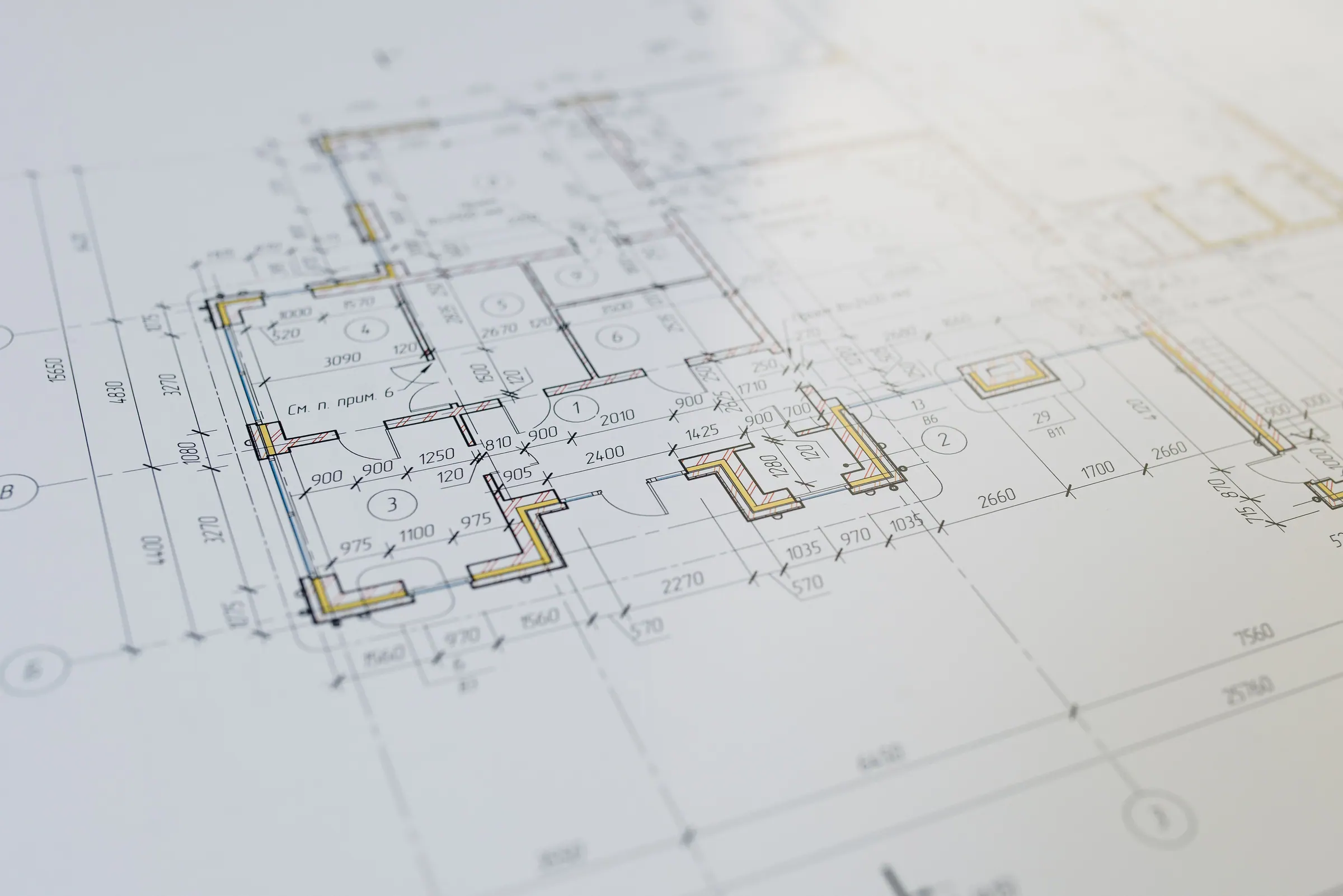
The specification is drawn into features, use cases and a data model first. Then the generated modules fill in, and each one has to trace back up.
Slide the drawing sideways
Drawing the decomposition…
Sheet 03 of 07·Why unbounded generation fails
It passes review because it reads well.
It fails eighteen months later when somebody has to change it and cannot work out what depends on what.
Sheet 04 of 07·From real work
A specification turned into a system someone can still change in two years.
Tech4Biz decomposes the specification before anything is generated, so every piece of the output traces back to the requirement it serves.

| Ref | Project | Figure | What it measures |
|---|---|---|---|
| P-1 | GxP quality management | 7days | to the first backend |
| P-1 | GxP quality management | 2weeks | from the start to the main portal |
| P-1 | GxP quality management | 22+ | phases of work delivered |
| P-2 | Medical claims | 701 | canonical cases from major US insurers |
| P-2 | Medical claims | About1,250 | deterministic rules derived from them |
| P-2 | Medical claims | 4 | major insurers’ policy sets encoded |
| P-3 | Bank control assurance | 5 | sprints to a working proof of concept |
| P-3 | Bank control assurance | 12 | services in the platform |
| P-3 | Bank control assurance | 3 | lines of defense, each with its own workspace |
The same method runs through the platforms Tech4Biz has built for regulated industries, in life sciences, insurance and banking.
Client names stay private.
Sheet 05 of 07·How it is built
Five decisions that put a structure above the code.
Drawn from a GxP quality platform built from a specification

Detail 01 of 05
A kit before any code.
The requirements were turned into a build kit of machine-readable rules first.
Sheet 06 of 07·Where this fits
The method is the product here, and we will teach it as readily as we will run it.
It suits teams who have a specification and a delivery date and want the speed without the maintenance debt. It also suits organizations adopting AI-assisted development who need a method their reviewers can actually apply.
We run this ourselves on backend delivery, which is how we know where it breaks.
Read how we verify generated code →Sheet 07 of 07·How we engage
How the work is set up
- Team
- A dedicated pod, billed monthly, with a three-month minimum.
- Starting
- Within one to two weeks of agreeing what gets built, what gets left out, how payments work, and the roadmap after launch.
- Working hours
- 7am to 8pm IST, with calls until 10pm IST. That covers the US Eastern morning.
- Ownership
- All code and IP are yours on payment.
- Architecture only
- We can design the architecture for a team you already have. Your team then owns delivery. We take responsibility for execution only when our own team builds it.
Questions
Before an engagement
Is this a tool or a service?+
What if our specification is incomplete?+
Does this lock us into your tooling?+
Read the full explanation of the approach+
Pointing a model at a requirements document and asking for a backend produces something that runs and nobody can own. The step everyone skips is the one that matters: breaking the specification into features, use cases and a data model first, so what gets generated is bounded and reviewable.
What we do
We take a specification and decompose it before anything is generated. Features, then use cases under them, then the data model that actually supports both. Each piece small enough that a reviewer can hold it in their head and say whether it is right.
Only then does generation happen, bounded by that structure. The output is reviewed against the use case it came from rather than against a general impression that it looks reasonable.
Why unbounded generation fails
Generated code without a structure above it produces a system where nobody can say which requirement a given module serves. It passes review because it reads well. It fails eighteen months later when somebody has to change it and cannot work out what depends on what.
The failure is not the model’s. It is that nobody did the decomposition, so there was nothing to check the output against.
Where this fits
It suits teams who have a specification and a delivery date and want the speed without the maintenance debt. It also suits organizations adopting AI-assisted development who need a method their reviewers can actually apply.
We run this ourselves on backend delivery, which is how we know where it breaks. The method is the product here, and we will teach it as readily as we will run it.
What this rests on+
Method in use. Run on our own backend delivery, not proposed in the abstract.
Reviewable units. Every generated piece tied to the use case it came from.
Maintainable after. Structure survives the handover, which is where generated systems usually fail.

Get a system your team can still change in two years.
Start the conversation →